What is packaging?
Packaging protects the product, presents the brand, supports retail handling, and gives customers the information they need at the shelf.
Read the packaging guide
Use these topics to compare package formats, plan artwork, understand sustainability options, and prepare the product details Powerpak needs for a practical recommendation.
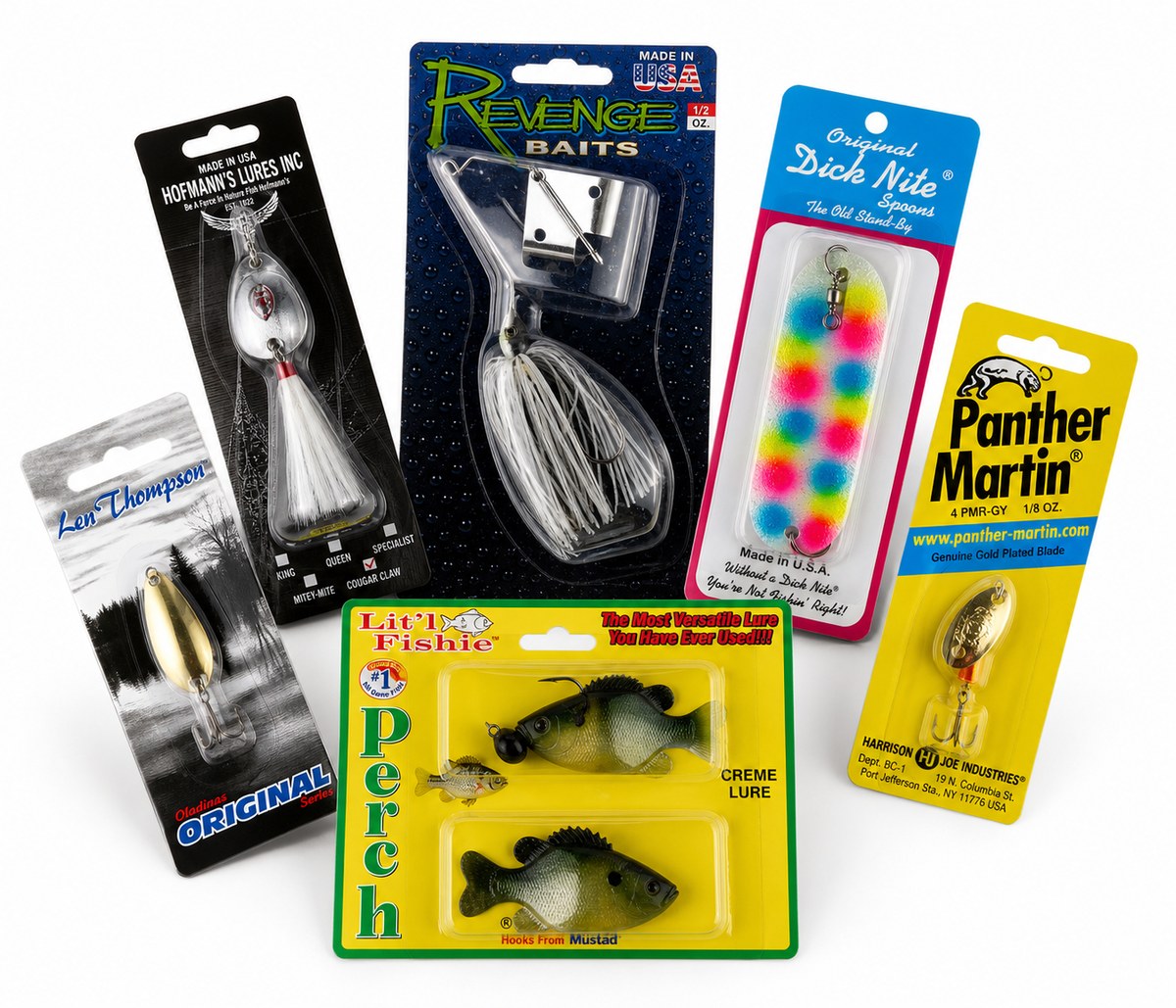
Powerpak can help with clear blister packs, clamshells, blister cards, fold-seal packaging, foldover packs, folding cartons, custom trays, and tooling.
Packaging protects the product, presents the brand, supports retail handling, and gives customers the information they need at the shelf.
Read the packaging guideBlister packs combine a clear formed cavity with carded presentation for product visibility, tamper evidence, and organized retail display.
See blister packsClamshells use a hinged clear package to hold products securely while keeping the item visible and protected through shipping and retail handling.
See clamshellsPrinted cards carry branding, product details, hang holes, and retail information while supporting the blister seal area.
See blister cardsCartons and product boxes add print area, protection, brand presentation, and scalable retail packaging options for products that do not need a clear blister.
See folding cartonsFold-seal and foldover formats can reduce parts, simplify handling, and give selected products a cleaner retail presentation.
See fold-seal packagingGood packaging decisions start with the product shape, retail requirements, artwork files, material goals, and how the customer will open the package.
Product dimensions, the formed blister, printed card, tooling, sealing area, and production volume all affect the final package.
Artwork should be prepared for CMYK printing, with fonts converted to outlines, linked images embedded, bleed beyond the dieline, and safe spacing from trim and cut areas.
Blister packs, clamshells, and sealed carded formats can help reassure customers that the product has not been opened before purchase.
Package design should balance protection, theft deterrence, retail display, and customer opening experience.
Custom packaging is useful when the product shape, brand presentation, or retail requirement cannot be handled well by a stock option.
Powerpak can discuss volume, budget, launch timing, and package style with startups, inventors, and established product teams.
Many product teams ask about recyclable, compostable, biodegradable, plastic-free, and zero-waste packaging options. The right answer depends on the product, retailer, material availability, and package performance requirements.
Packaging can reduce waste through better sizing, material selection, recyclable components, and fewer unnecessary parts.
Sustainability decisions should be weighed against product protection, retail visibility, tooling, cost, and production performance.
Clear plastic, paperboard, and carton choices should be reviewed for the product use case and the customer’s end-of-life expectations.
These materials may be relevant for selected products, but they still need to meet shelf, sealing, protection, and retailer requirements.
Powerpak can compare whether a carton, fold-seal format, or reduced-plastic package is realistic for the product.
Beauty and personal-care brands often need strong shelf presentation, product protection, and material choices that match brand values.
Powerpak supports a wide range of retail product categories, helping customers compare package styles by product size, shelf display, protection needs, and launch goals.
Blister and clamshell packaging can protect hooks, finishes, and small tackle components while keeping the product visible.
View fishing tackleBits, blades, hand-tool accessories, and repair parts often need product containment, visibility, and tamper resistance.
View hardware packagingClear retail packaging helps show the toy, protect small parts, and support collectible presentation.
View toy packagingSporting goods and outdoor accessories often need visibility, containment, hanger display, and durable retail handling.
View sports packagingSmall consumer products can benefit from clear packages that protect the item while making the use and value obvious at the shelf.
View music packagingView pet packagingView household goodsSmall components, accessories, and replacement parts often need organized display, theft deterrence, and carded product information.
View electronics packagingView automotive packagingBeauty products often need premium shelf presentation, product protection, and material choices that match brand expectations.
View beauty packagingRegulated product packaging should be reviewed early for product fit, tamper evidence, child-resistant requirements where applicable, and local compliance needs.
View regulated packagingNew products need packaging choices that balance presentation, budget, launch timing, volume, and tooling path.
View startup packagingControlled-environment projects need early review of cleanliness needs, product fit, process controls, and documentation expectations.
View clean room packagingPowerpak is USA owned, operated, and manufactured, supporting companies across the United States and beyond.
| Machine topics | 4-Station, Flip-Sealer, Clean Room, and 2-Station sealing machines for U.S. manufacturers. |
|---|---|
| Supply topics | Blister packs, clamshells, fold-seal packs, foldover packs, folding cartons, product boxes, and tooling for retail product teams. |
| Business topics | U.S. packaging, import-tariff planning, packaging integrity, and reliable supplier relationships. |
| Best next step | Send product details, artwork, volume, and target launch date so Powerpak can recommend the right packaging option. |
Send product dimensions, artwork, volume, and timing. Powerpak can recommend a practical machine, supply, or tooling approach.