File setup
CMYK artwork is preferred. Adobe Illustrator files are recommended, with fonts converted to outlines and linked images embedded.

Printed blister cards give clear retail packages the brand space, product information, hang-hole placement, and seal surface needed for a finished shelf-ready presentation.
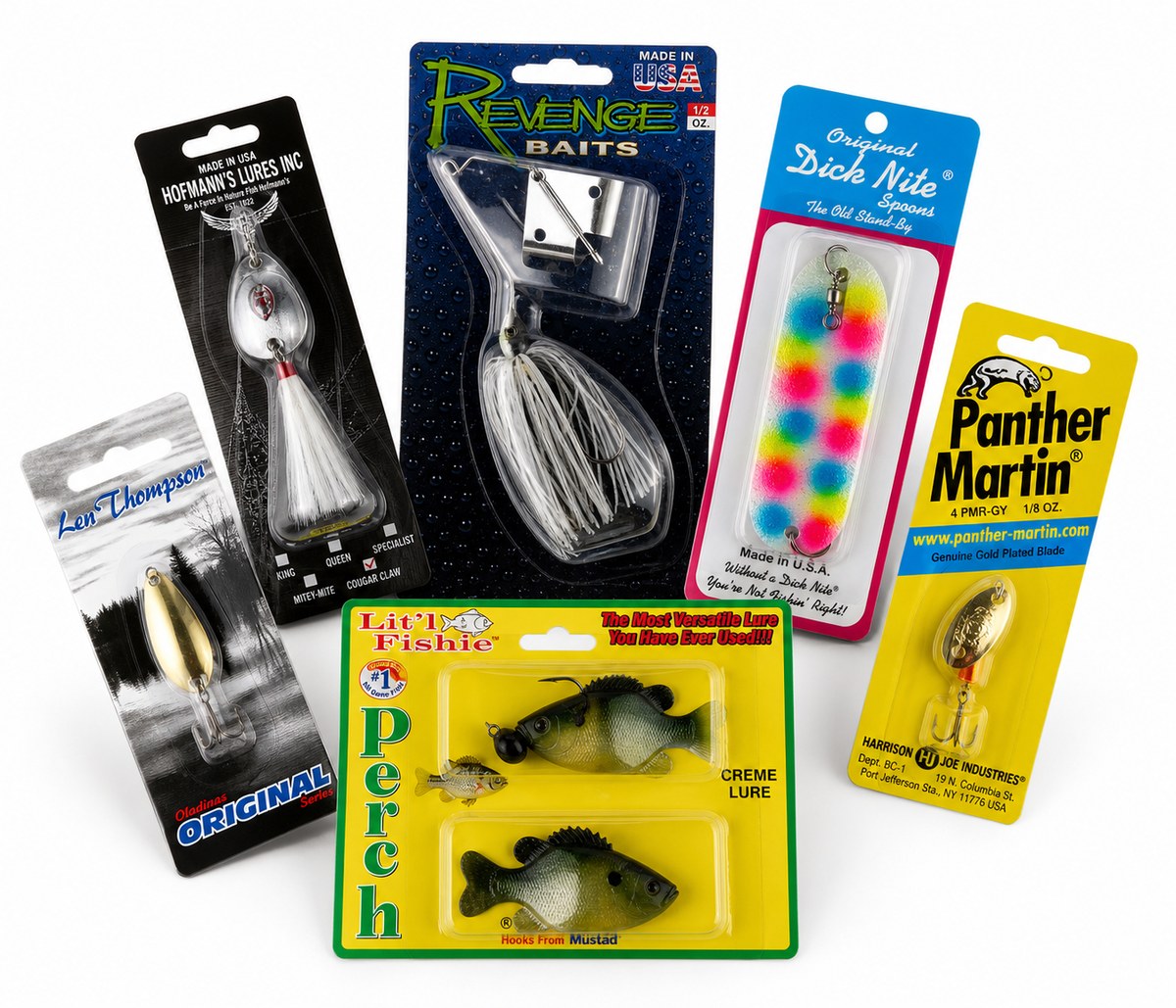
A blister card is more than a printed backing. The card must fit the blister, carry the product message, support the hang hole, leave room for the seal area, and run cleanly through the selected sealing process.
Powerpak can review the product, package style, artwork stage, and monthly volume before recommending stock or custom blisters, cards, tooling, and machine options.
Clean artwork files help keep production moving and reduce card revisions before sealing.
CMYK artwork is preferred. Adobe Illustrator files are recommended, with fonts converted to outlines and linked images embedded.
Keep text and graphics at least .125 in. from cut or trim areas, and include .125 in. bleed beyond the die line.
Rounded card corners are recommended because square corners can dog-ear. Hang holes should be placed at the balance point.
| Product information | Product dimensions, weight, samples or photos, expected retail orientation, and any retailer requirements. |
|---|---|
| Packaging style | Blister, clamshell, fold-seal, foldover, or unsure. Powerpak can help determine the practical format. |
| Artwork stage | Finished art, rough layout, dieline request, barcode and warning copy, or need for card layout support. |
| Production planning | Target launch date, monthly volume, stock mold or custom tooling needs, and whether samples are required. |
| Proofing | Powerpak can provide a hard-copy proof for review and approval before production. |
Send product details, artwork status, and launch timing so Powerpak can help plan the right carded package.