Montreal, Canada
Peter Green was running Century Printing Ltd. when ILCO Unican brought him a retail pilferage problem.
Powerpak traces its blister packaging heritage to 1949, when Peter Green, father of Bob Green, turned a retail theft problem into a practical package that protected hardware products while keeping them visible to customers.
Step into an interactive recreation of the original Powerpak website, including its classic equipment, supplies, history, and contact navigation.
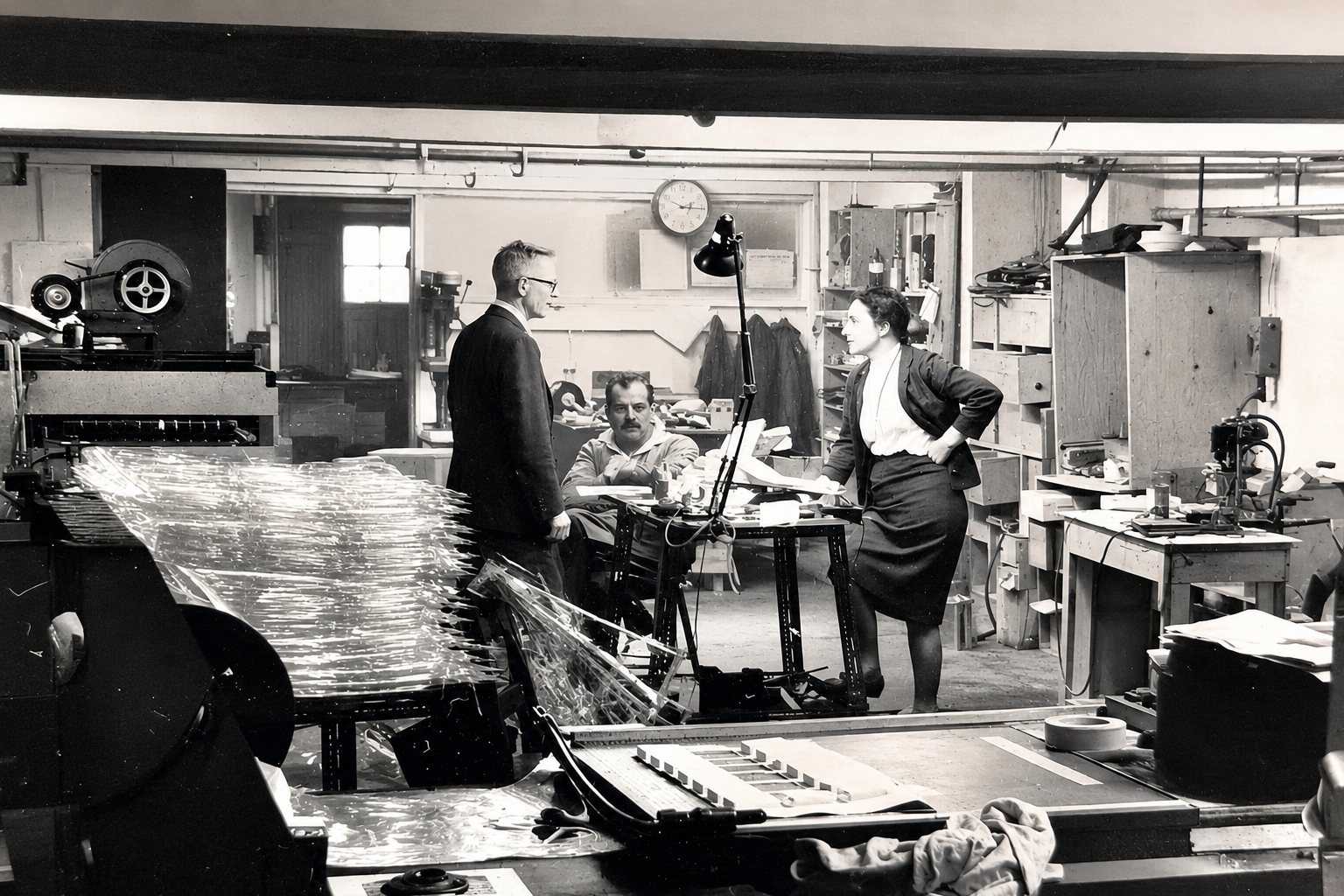
Peter Green owned Century Printing Ltd. in Montreal when Aaron Fish, CEO of ILCO Unican, came to him with a hardware line problem: products were being stolen out of open retail bins.
Peter took product samples to his friend John Fisher, a thermoformer who mostly formed chocolate trays. Peter asked John to form clear plastic over the ILCO Unican hardware products. After the clear plastic was formed, Peter printed the cards, created the sealing machine, sealed the packs, and helped create the practical blister package story Powerpak still carries forward.
The early blister pack brought together printed cards, formed plastic, heat, timing, and practical machine building to make retail packaging more secure and more useful for shoppers.
Peter Green was running Century Printing Ltd. when ILCO Unican brought him a retail pilferage problem.
The goal was simple: keep products visible to customers while making casual theft harder.
With John Fisher's thermoforming help, clear plastic was formed over the product and paired with printed cards.
Peter worked through the bond between chipboard and plastic, using butyrate at the time, then combined temperature and timing controls to create a successful seal.
Bob Green and the Powerpak team continue the same practical approach through equipment, packaging supplies, tooling, demos, quotes, and direct support.
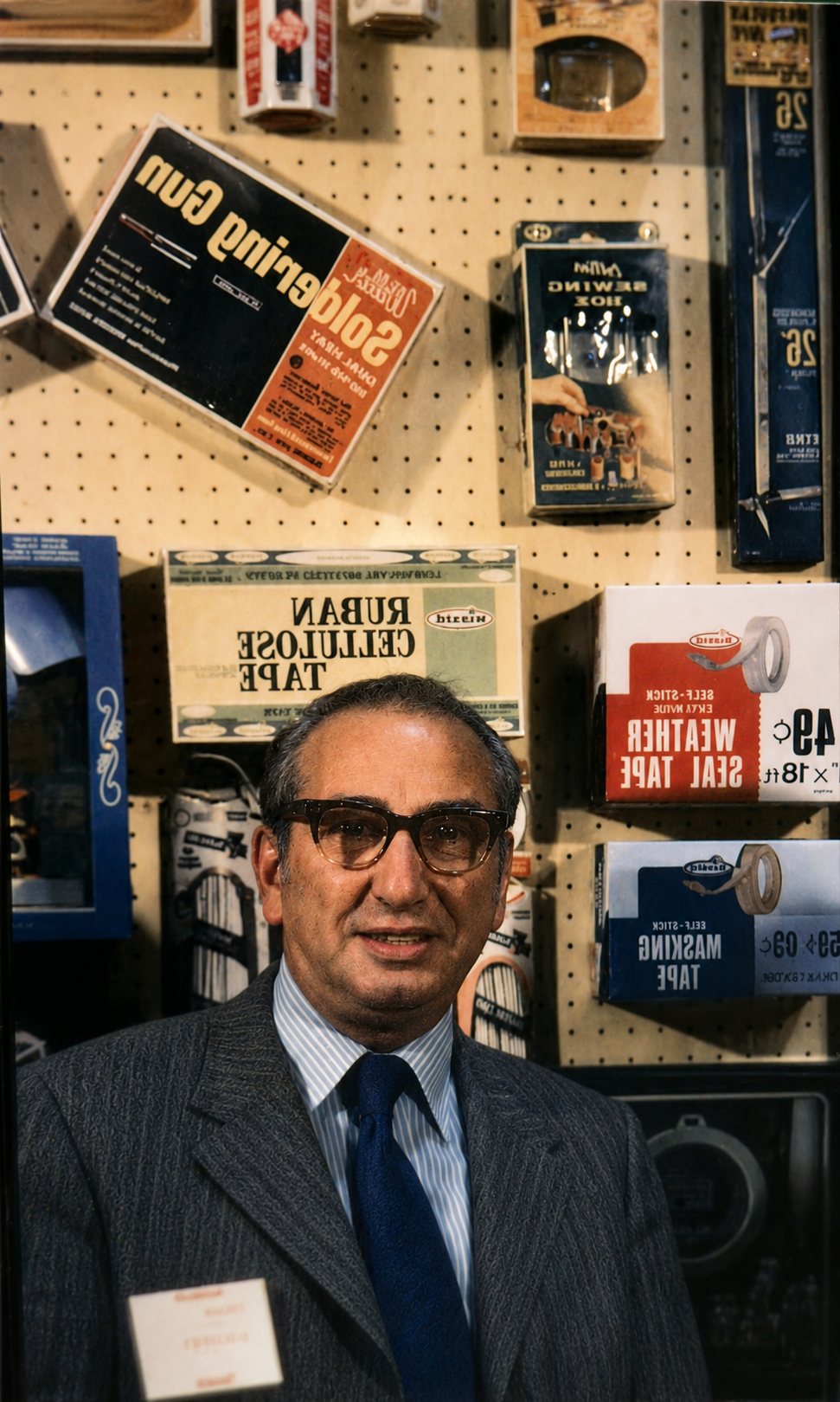
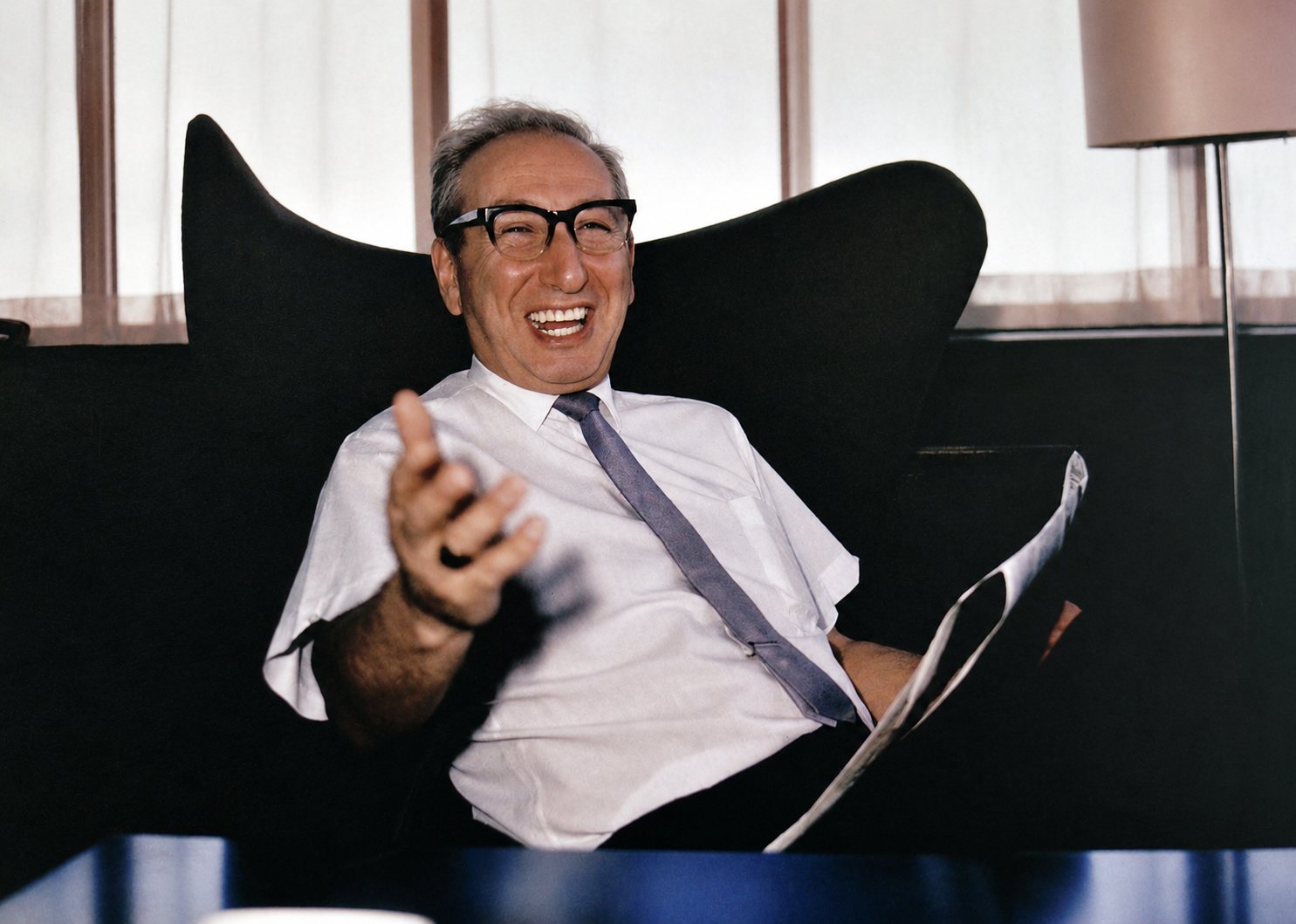
The original story says Peter Green left Powerpak more than a packaging idea. He left a standard for how customers should be treated. That is why Powerpak still emphasizes honest recommendations, long-running equipment, and practical help before customers commit to a machine, package format, or tooling path.
These family archive photos add a more personal view of Peter Green, whose work and standards are part of the Powerpak history that continues today.



Powerpak's current work still follows the same product-first logic: understand the product, select the right package format, build or match the tooling, and help the customer seal consistently.
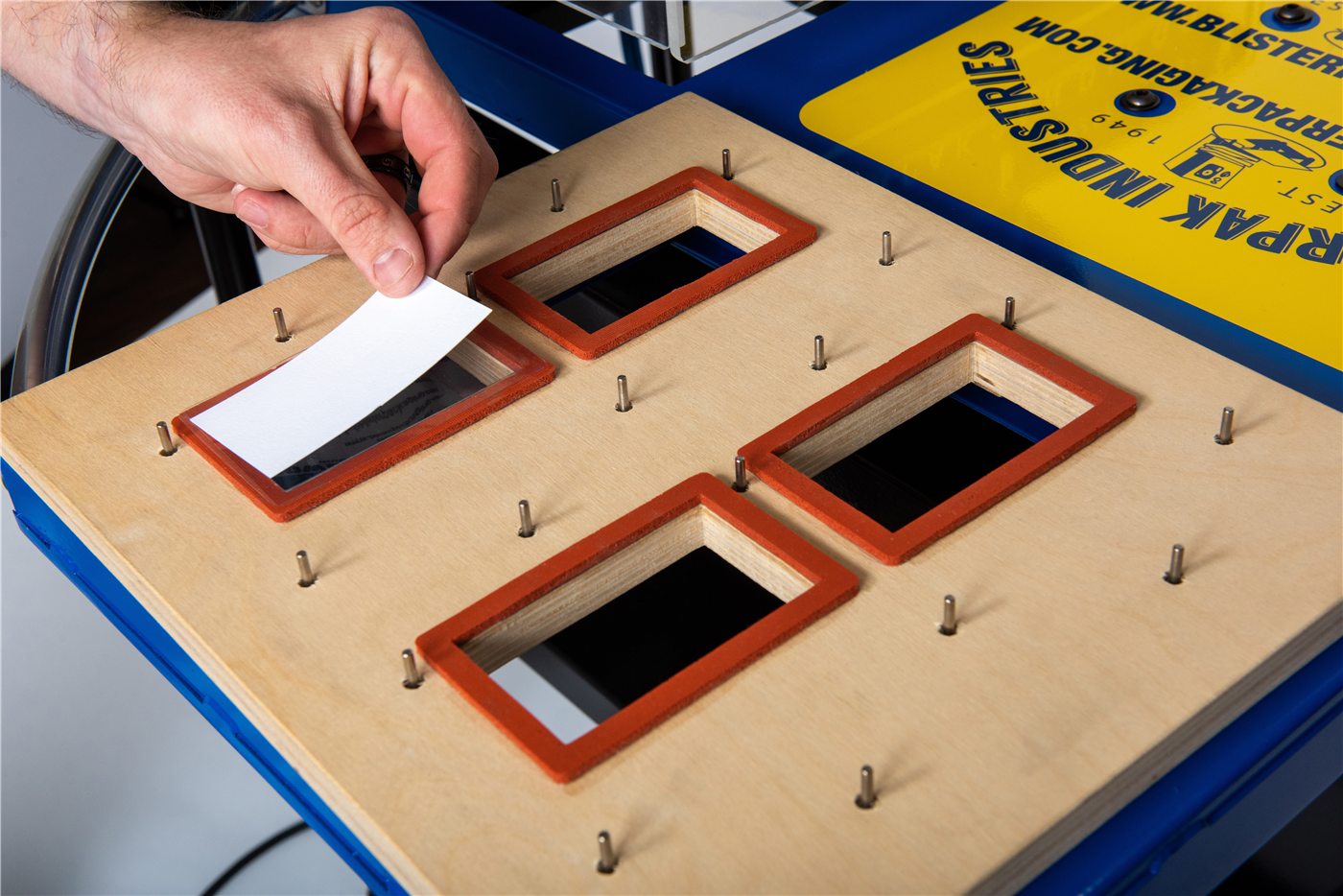
Product openings, cards, trays, and tooling are planned together so the package seals cleanly.
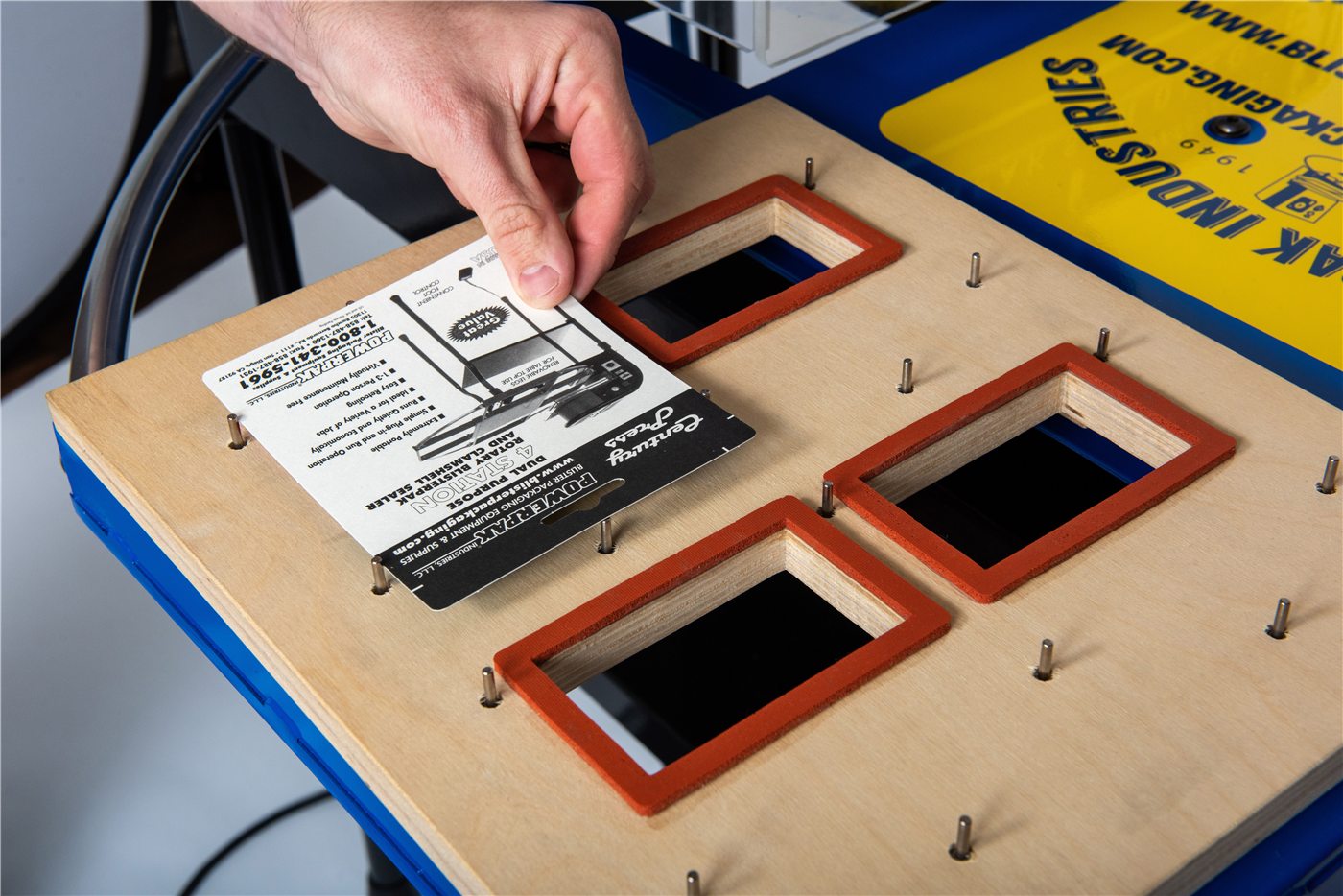
Cards, blisters, clamshells, and fold-seal options help customers see the product and trust the package.
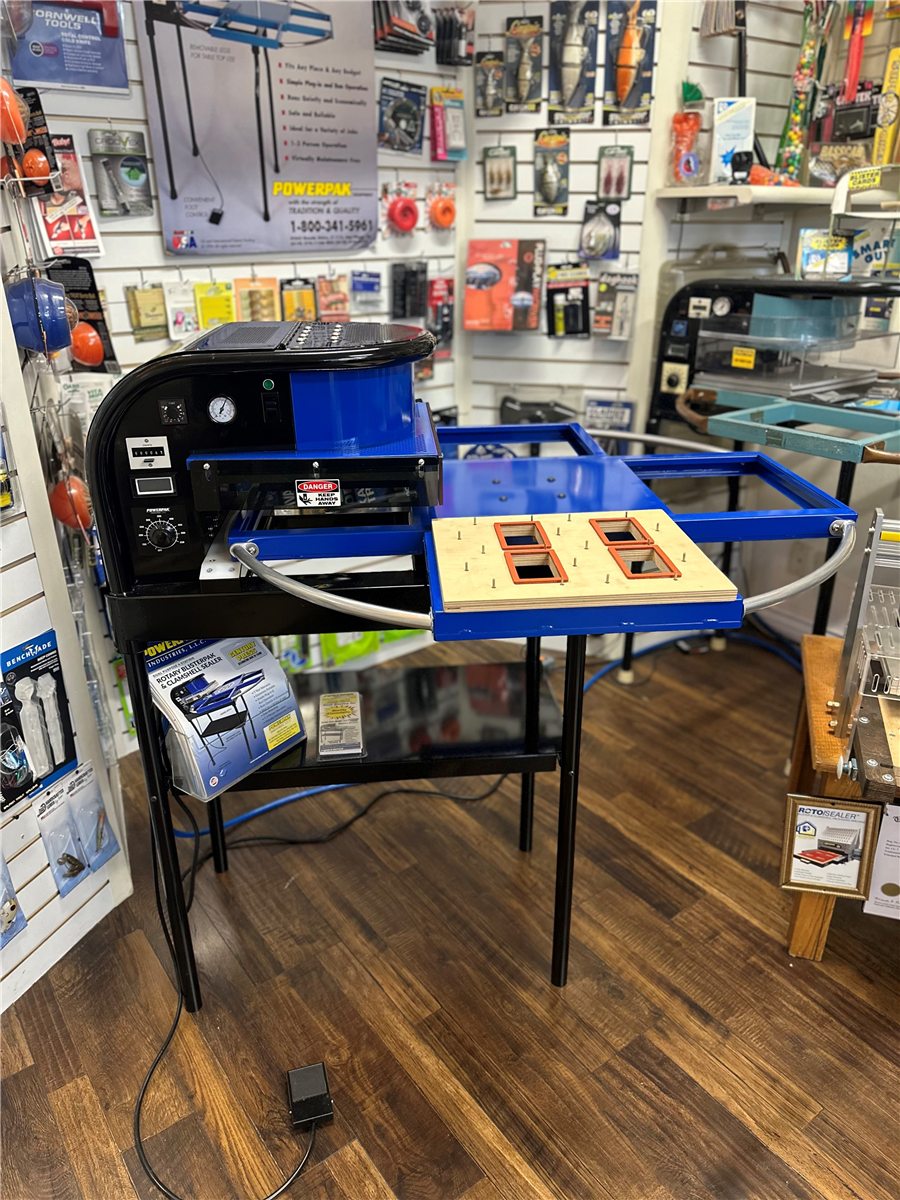
Powerpak helps buyers compare machine fit, packaging supplies, tooling needs, demos, and quote details.
Bring your next packaging project into Powerpak history with practical equipment, packaging supplies, and hands-on support from a team that has served the industry since 1949.
The team can help choose the machine, package style, tooling approach, and quote or demo path that fits your product.